Guide
Buying property in Spain
An honest, step-by-step guide to buying property in Spain: what an apartment, a finca or a villa really costs, how the purchase process works, and which area suits you.
Which type of property suits you
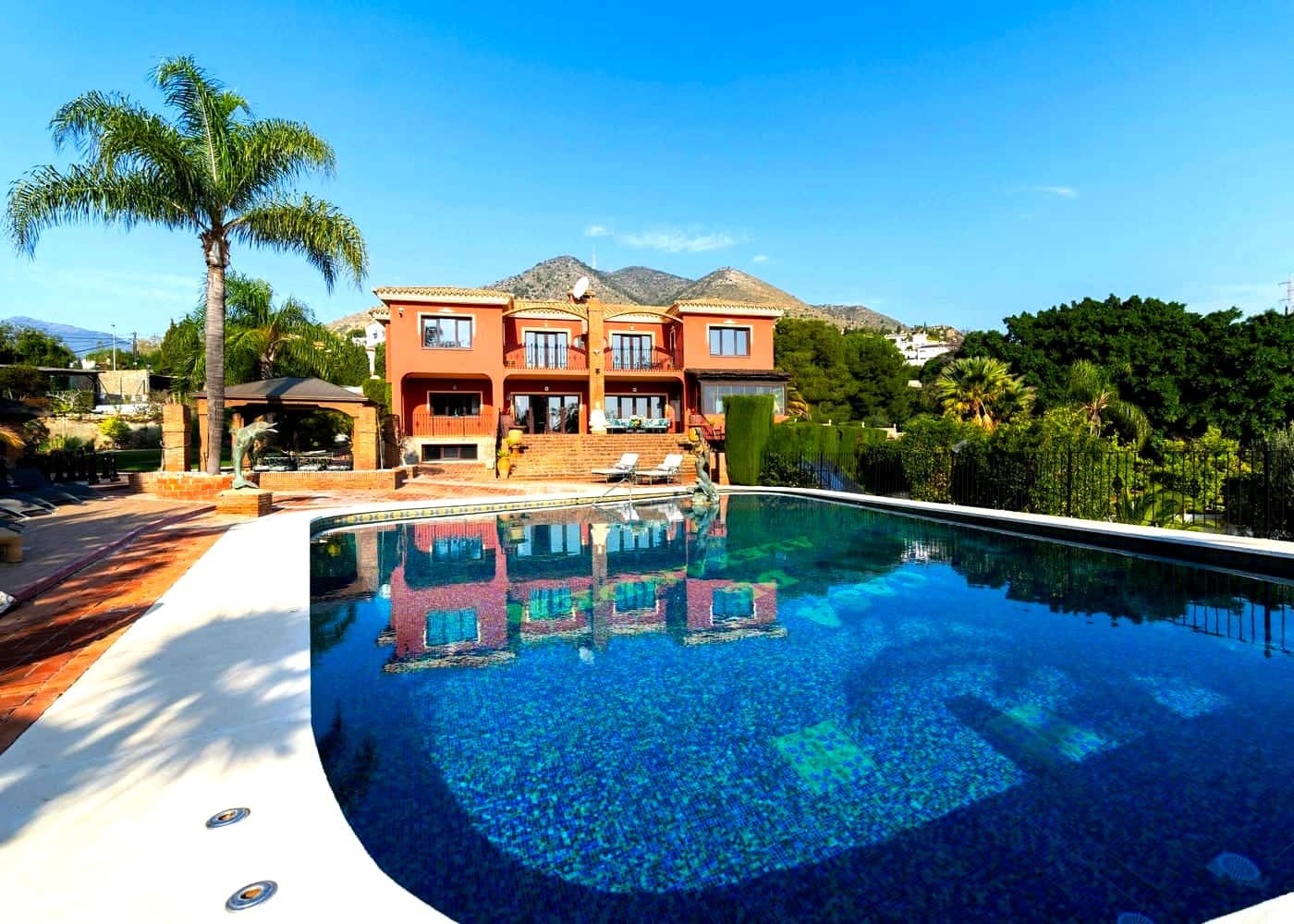
An apartment is the simplest way in and the easiest to rent out, a finca offers space and quiet inland, a villa gives you privacy and comfort right on the coast.
How the purchase works
After your NIE number comes the reservation contract, due diligence by an independent lawyer, and the transfer at the notary. Reservation to keys usually takes six to twelve weeks.
NIE number, bank account and budget
Your first step is the NIE number (Numero de Identidad de Extranjero), the Spanish tax ID without which you cannot buy property, open a bank account or get a mortgage. You apply at a Spanish consulate before you travel, at the Policia Nacional once in Spain, or through a lawyer holding your power of attorney. Alongside it, open a Spanish account for taxes, utilities and community fees, and set your budget including the purchase costs.
Independent lawyer and due diligence
An independent lawyer, working only for you rather than the seller or the agent, is essential in Spain. They check the nota simple from the land registry for the owner, any mortgages or charges, confirm there are no unpaid local taxes or community debts, and verify building permits. This check usually takes one to three weeks and is the strongest protection you have as a buyer.
Purchase costs in detail
Budget 12 to 14 percent on top of the price: transfer tax (ITP) of 7 to 10 percent on resale, or 10 percent VAT plus 1.2 percent stamp duty on new build, plus notary fees (600 to 1,200 euros), an independent lawyer (1 to 1.5 percent of the price, so 3,000 to 4,500 euros on a 300,000 euro property) and land registration (400 to 700 euros). Altogether that is roughly 36,000 to 42,000 euros on a 300,000 euro property, so plan for it from the start.
Free, no strings attached
Get matching properties in your inbox
Leave your email address and I will send you properties that fit, including homes that never reach the portals.
You will first receive a confirmation email (double opt-in). You can unsubscribe at any time. Privacy policy.
Common mistakes to avoid
The costliest mistake is using a lawyer recommended by the seller or the agent, they do not represent your interests. Signing under pressure before the due diligence is done, or buying a property with an unregistered extension, both cause problems later at resale or when applying for a mortgage. Take the one to three weeks a proper check needs, it saves money in the end.
How I help
Independent, with a vetted network of local lawyers and agents, plus automated rental management once you have completed.
Property types in Spain compared
| Type | From price | Best for |
|---|---|---|
| Apartment | from €195,000 | Easy rental, low upkeep |
| Finca | from €200,000 | Space, quiet, your own garden |
| Villa | around €350,000 | Privacy, sea views, comfort |
FAQ
How much does a house cost in Spain?
It depends heavily on the region and the type of property. Apartments on the Costa del Sol start from around 195,000 euros, villas from roughly 350,000 euros. Budget an extra 12 to 14 percent for purchase costs.
Do I need an NIE number to buy property in Spain?
Yes. The NIE (Numero de Identidad de Extranjero) is compulsory for any financial transaction in Spain, including buying a home. You can apply for it at a Spanish consulate before you travel, or in person at the Policia Nacional once you are here.
How long does the buying process take in Spain?
For a resale property, six to twelve weeks from reservation to completion is typical. New-build purchases depend on the construction stage and can take considerably longer.
Can I get a mortgage in Spain as a foreigner?
Yes, Spanish banks typically lend non-residents 60 to 70 percent of the appraised value, at rates between 2.5 and 4.5 percent. You will need your NIE number, your last two tax returns and proof of income.
What taxes will I pay as a property owner in Spain?
Every year you pay IBI (local property tax, 0.4 to 0.8 percent of the cadastral value) and, if you rent out the property, IRNR (19 percent on net rental income for EU residents). The tax treaty between your home country and Spain prevents double taxation.